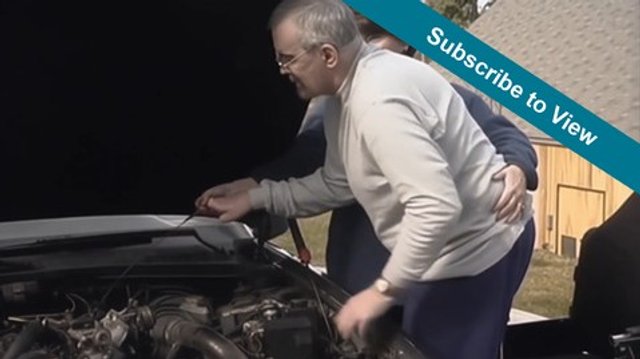
Sit to Stand: Normal Movement
0:00
It’s important for clinicians to analyze normal movement. This provides us with a better understanding of the sequence of components needed to stand up, without compensation or special equipment.
It’s important for clinicians to analyze normal movement. This provides us with a better understanding of the sequence of components needed to stand up, without compensation or special equipment.

StrokeHelp: Teaching Independence Similar Videos
-
Improving Upper Extremity Function & Awareness
0:00
Motor learning theory supports utilizing the involved upper extremity into everyday tasks. Jan Davis demonstrates three distinct methods to incorporate a nonfunctional upper extremity into ADLs and IADLS.
-
Standing with Fearful Patients During Function
0:00
The standing tolerance of fearful patients often improves within the context of enriched environments. Determine why the patient is fearful, provide a secure environment and then facilitate motor control during tasks in standing.
-
Introduction to Preventing Shoulder Pain
0:00
Most painful shoulders can be prevented if those working with stroke survivors are better informed and better trained. Jan Davis introduces three stroke survivors and the proper handling methods used to prevent shoulder pain.